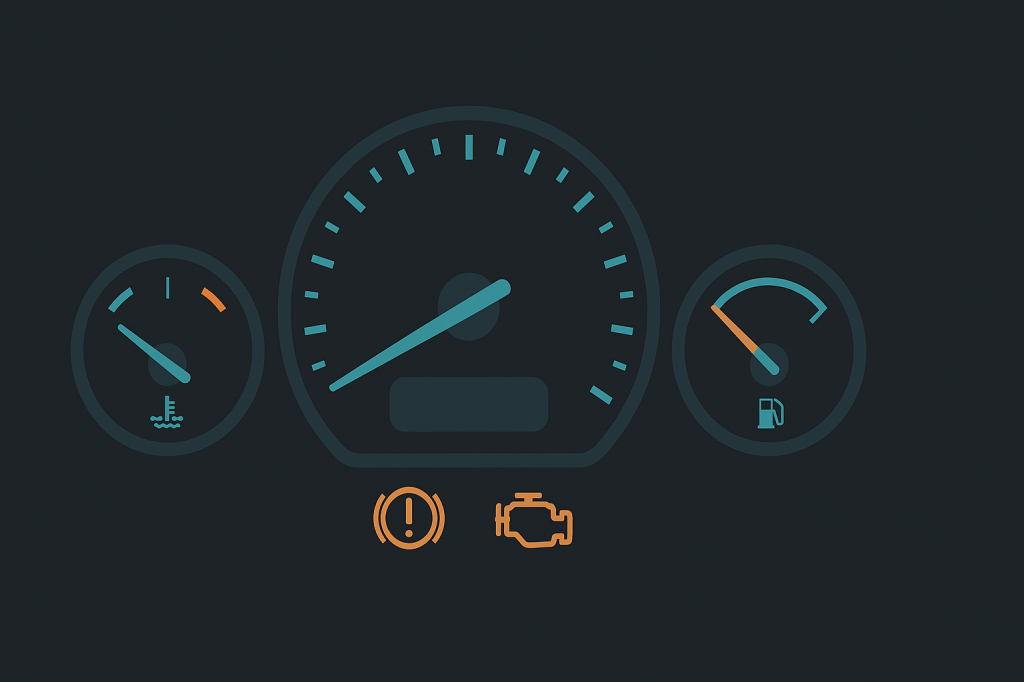
Imagine driving your car without a dashboard.
No speedometer, no fuel gauge, no warning lights—just the hum of the engine and the scenery rushing by.
At first, it might feel fine. The car starts, it moves, you reach your destination. But you have no idea how fast you’re going, whether you’re almost out of gas, or if the engine temperature is creeping toward disaster. The first sign that something’s wrong? When the car sputters to a stop on the side of the highway, or worse, the engine seizes up.
That’s what it’s like running software in production without proper instrumentation.
What Happens When You Skip Instrumentation
When code is built without logging, metrics, and health checks baked in, you’re essentially shipping a black box into production. You can’t see what’s happening inside. The application might work perfectly—until it doesn’t. And when it doesn’t, your team is left diagnosing in the dark.
No logs? You can’t trace the root cause. No metrics? You don’t know whether the slowdown started minutes or months ago. No alerts? You only find out something is broken when users complain.
Sometimes, teams skip instrumentation because of external pressures: tight deadlines, client demands, leadership urgency. And in those moments, the instinct is to “just get it out the door.” But cutting this corner almost always costs more later, both in firefighting time and in user trust.
Building It Right the First Time
Instrumentation is like a dashboard for your code. It’s not a nice-to-have—it’s essential for safe, reliable operation.
Key benefits of building instrumentation in from day one:
Faster troubleshooting – You know where to look before the problem spirals. Proactive fixes – Metrics and alerts let you address issues before they affect users. Confidence in releases – You can measure the impact of new code with real data.
Practical Recommendations
You don’t need a huge framework overhaul to start instrumenting better. Begin with these simple steps:
Log important events and errors. Include enough context (user ID, request ID, timestamp) to trace issues. Keep logs clean—no spammy debug statements drowning out the signal. Track key performance metrics. Monitor response times, error rates, and resource usage. Focus on the metrics that actually matter to user experience. Set up alerts that are actionable. Avoid “alert fatigue” by triggering only on issues worth waking someone up for. Tie each alert to a clear response playbook. Make instrumentation part of your definition of done. Code isn’t “done” until it’s observable. Review PRs not just for functionality, but also for visibility.
Leadership Lesson: This Isn’t Just About Code
The same principle applies to organizations. Leaders who run without visibility—no feedback loops, no performance indicators, no clear communication channels—are essentially “driving without a dashboard.” Problems surface late, at higher cost, and trust erodes.
Instrument your organization:
Define key indicators of health (team morale, delivery velocity, customer satisfaction). Create channels to surface small issues before they become crises. Make feedback a built-in part of your process, not an afterthought.
Conclusion
Building it right the first time isn’t about perfection—it’s about visibility. Just as a dashboard keeps you aware on the road, instrumentation keeps your engineering and leadership efforts on track. Skip it, and you’re flying blind. Build it in, and you’re in control of where you’re going and how you’ll get there.
 Testing Tester
Leave a comment